

📌 3D Printed Battery Powers Predictive Maintenance in Steel Production
In the demanding world of steel production, unplanned machinery failures can lead to costly downtimes and significant energy waste. A groundbreaking European initiative, named 3Dstore, is tackling this challenge head-on with an innovative solution: a 3D printed solid oxide battery that powers a predictive maintenance system. Led by the Catalonia Institute for Energy Research (IREC) in collaboration with the Universitat Oberta de Catalunya (UOC) and steel giant CELSA, this project demonstrates how additive manufacturing can create self-powered sensors for the harshest industrial environments.
在严苛的钢铁生产领域,计划外的机械故障可能导致高昂的停工成本和大量能源浪费。一项名为3Dstore的欧洲开创性项目正通过创新解决方案直面这一挑战:利用3D打印固态氧化物电池为预测性维护系统供电。该项目由加泰罗尼亚能源研究所(IREC)牵头,联合加泰罗尼亚开放大学(UOC)及钢铁巨头CELSA共同实施,展示了增材制造如何在最恶劣的工业环境中打造自供电传感器。
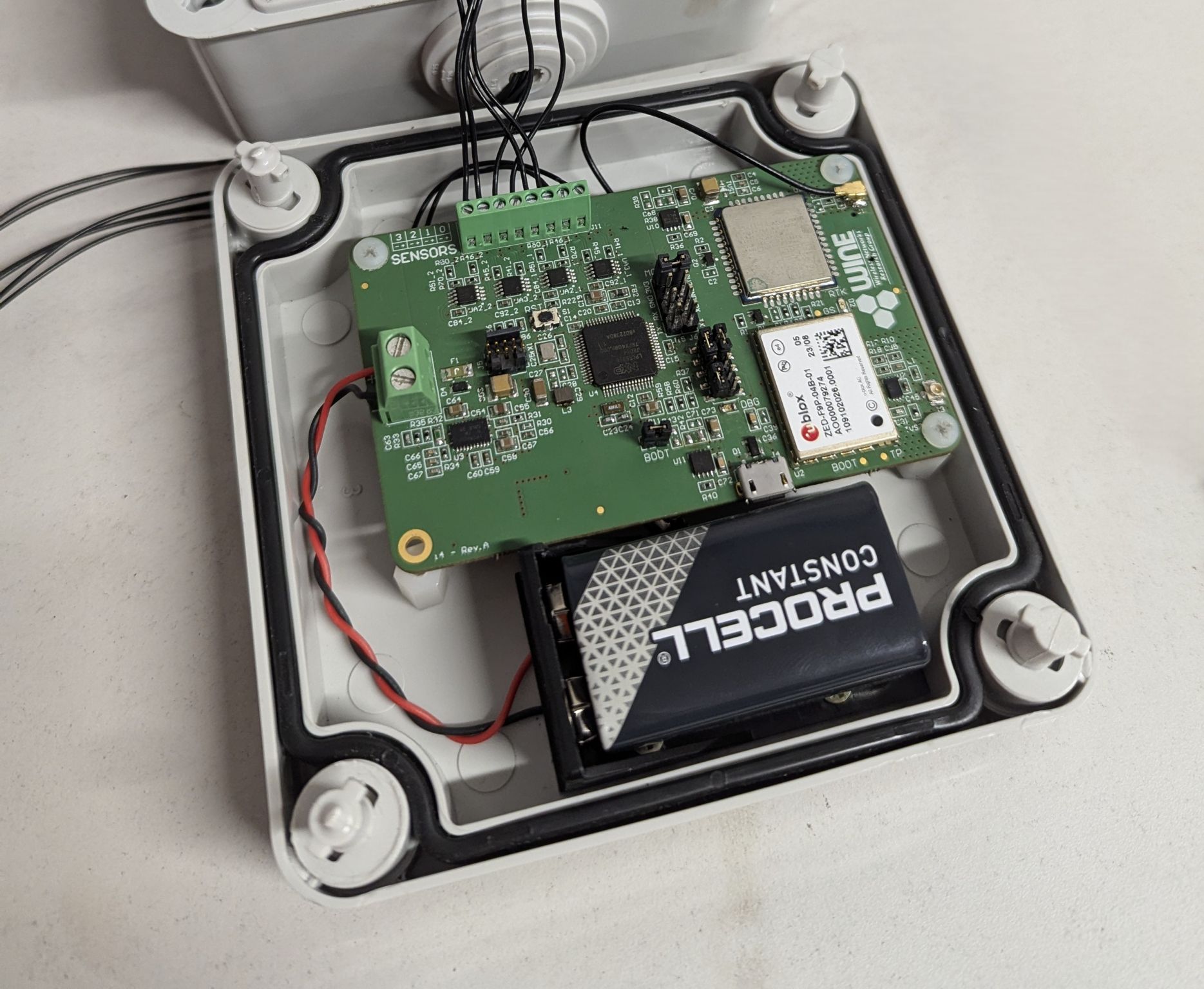
At the heart of the system is a solid oxide battery, fabricated entirely through 3D printing. This battery is engineered to withstand extreme temperatures while delivering power to a low-consumption electronic unit equipped with cellular connectivity. The key advantage of using premium STL files for such a battery lies in the precision of material placement and geometric flexibility. Unlike conventional manufacturing, additive techniques allow the battery to be tailored exactly to the deployment space, enabling a compact and robust design that fits directly onto a rolling mill shaft at CELSA’s plant.
该系统的核心是一个完全通过3D打印制造的固态氧化物电池。这款电池经过特殊设计,能在极端温度下稳定运行,并为配备蜂窝网络连接的低功耗电子单元供电。使用优质STL文件制造此类电池的关键优势在于材料定位的精确性和几何形状的灵活性。与传统制造方式不同,增材制造技术使电池能够精确适配安装空间,从而在CELSA工厂的轧机轴上直接安装紧凑且坚固的设计方案。
The monitoring device continuously captures vibration and temperature data from the shaft, transmitting it wirelessly for analysis. This real-time data allows engineers to detect early warning signs of equipment failure, such as bearing wear or misalignment, long before a catastrophic breakdown occurs. According to Xavier Vilajosana, UOC’s Vice President for Research, catching these faults in advance can prevent production halts lasting four to eight hours, saving hundreds of thousands of euros per incident.
监测设备持续采集来自轴的振动和温度数据,并通过无线方式传输用于分析。这些实时数据使工程师能够在设备发生灾难性故障前,提前发现轴承磨损或对中偏差等早期预警信号。据UOC研究副校长Xavier Vilajosana介绍,提前发现这些故障可防止持续4至8小时的生产中断,每次事故可节省数十万欧元。
The impact of this 3D printed battery system extends far beyond mechanical uptime. When a rolling mill stops unexpectedly, the furnaces feeding it, operating at 1,200 degrees Celsius, continue consuming gas. By preventing unexpected shutdowns, the system directly cuts unnecessary energy expenditure, reducing both costs and environmental footprint. This aligns with the steel industry’s push toward more sustainable operations, where every kilowatt-hour saved matters.
这款3D打印电池系统的影响远不止于提升机械运行时间。当轧机意外停机时,为其供料、温度高达1200摄氏度的熔炉仍会持续消耗燃气。通过防止意外停机,该系统直接减少了不必要的能源消耗,既降低了成本又减轻了环境负担。这与钢铁行业推动更可持续运营的趋势高度契合——每一千瓦时电的节约都至关重要。
The research team, which also includes partners like CIC energiGUNE and the University of Castilla-La Mancha, plans to expand this monitoring approach to additional stations across CELSA’s production line. Future applications could stretch beyond steelmaking to critical public infrastructure, such as bridges, tunnels, and road networks, where self-powered sensing is equally valuable.
研究团队(还包括CIC energiGUNE和卡斯蒂利亚-拉曼查大学等合作伙伴)计划将这种监测方法扩展到CELSA生产线的更多工位。未来应用可能超越炼钢领域,延伸至桥梁、隧道和公路网络等关键公共基础设施——这些领域同样需要自供电传感技术。
The 3Dstore project targets a persistent gap in heavy industry: the lack of self-powered, reliable sensing systems capable of continuous operation in extreme environments. Conventional electronics degrade rapidly under high heat and vibration, but 3D printed batteries offer a durable, customizable alternative. This approach mirrors innovations seen in other sectors, such as the U.S. Army Research Laboratory’s use of sensors to monitor wear on 3D printed maraging steel components, using data to predict part failure before it happens.
3Dstore项目瞄准了重工业中一个长期存在的空白:缺乏能够在极端环境下持续运行的自供电、高可靠性传感系统。传统电子元件在高温和振动条件下会迅速退化,而3D打印电池提供了耐用且可定制的替代方案。这种方法与其它领域的技术创新异曲同工——例如美国陆军研究实验室利用传感器监测3D打印马氏体时效钢部件的磨损情况,通过数据预测部件故障。
For makers and engineers interested in exploring similar applications, the ability to design and print custom enclosures and components is critical. Browsing 3D printing models can inspire new ways to integrate sensors into demanding environments, from industrial machinery to outdoor infrastructure.
对于有意探索类似应用的设计师和工程师而言,设计和打印定制外壳与组件的能力至关重要。浏览3D打印模型可以激发新思路,将传感器集成到从工业机械到户外基础设施的各种严苛环境中。
As Albert Tarancón, ICREA professor and IREC’s Head of Nanoionics and Fuel Cells, concluded, “Monitoring this type of industry is complex, but at the same time necessary, because these are highly complex processes that require maintenance which, if predictive or preventive, helps to avoid major issues.” The 3Dstore project proves that additive manufacturing is not just for prototypes, but for powering the factories of the future.
正如ICREA教授、IREC纳米离子与燃料电池部门负责人Albert Tarancón总结所言:”监测这类工业过程虽然复杂,但势在必行——因为这些高度复杂的流程需要维护,而预测性维护正是关键所在。”
Looking for high-quality STL files? Browse our collection at 3dmis.com!
Original source: View Original
🚀 开启你的下一个 3D 打印项目
想要高质量的 STL 文件?浏览我们丰富的优质 3D 模型库,从流行文化角色到桌游 mini,应有尽有——尽在 3dmis.com!
🚀 Start Your Next 3D Printing Project
Looking for high-quality STL files? Browse our vast collection of premium 3D models at 3dmis.com!
📌 编者按:本文改编自行业最新资讯。查看原文
