

📌 Astrobotic Uses Patented Metal 3D Printing Technology to Break Rotating Detonation Engine Records
Pittsburgh-based space robotics and lunar logistics company Astrobotic has achieved a major milestone in propulsion technology. The company completed a hot fire campaign for its Chakram rotating detonation rocket engine (RDRE), with additive manufacturing playing a central role in enabling the breakthrough. Two prototypes successfully completed eight tests at NASA’s Marshall Space Flight Center in Huntsville, Alabama, accumulating more than 470 seconds of total run time. This includes a single 300-second continuous burn, believed to be the longest ever recorded for an RDRE.
总部位于匹兹堡的太空机器人及月球物流公司 Astrobotic 在推进技术领域取得了重大里程碑。该公司为其 Chakram 旋转爆震火箭发动机完成了热试车活动,其中增材制造在实现这一突破中发挥了核心作用。两台原型机在阿拉巴马州亨茨维尔的 NASA 马歇尔太空飞行中心成功完成了八次测试,累计总运行时间超过470秒。其中包括一次持续300秒的连续燃烧,据信这是 RDRE 有史以来最长的纪录。
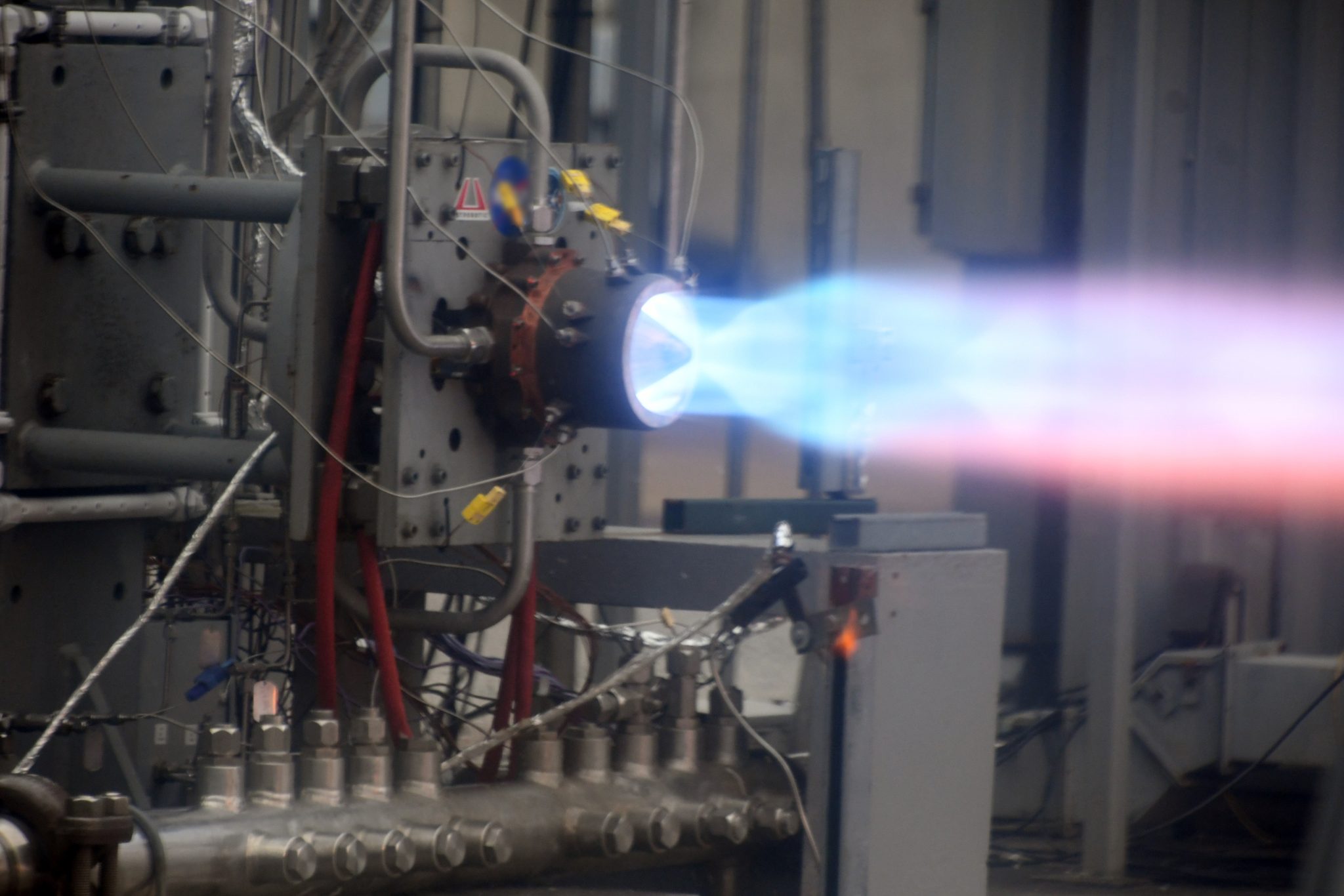
At the heart of the Chakram program is PermiAM, a patented metal additive manufacturing technique co-developed by Astrobotic and Elementum3D. This innovative process enables tunable porosity within printed metal components. The ability to precisely control how porous a material is has direct consequences for thermal management, combustion stability, and propulsion efficiency—three of the most demanding engineering challenges in RDRE design.
Chakram 项目的核心是 PermiAM,这是由 Astrobotic 与 Elementum3D 共同开发的一项专利金属增材制造技术。这一创新工艺可在打印金属部件内实现可调节的孔隙率。精确控制材料孔隙度的能力直接影响到热管理、燃烧稳定性和推进效率——这是 RDRE 设计中最具挑战性的三个工程难题。
The NASA SBIR contracts supporting the program focused specifically on novel injector design and the application of PermiAM to RDRE components. This made additive manufacturing a foundational contribution rather than a peripheral one. The results speak to that foundation. Each prototype produced over 4,000 pounds of thrust, placing Chakram among the most powerful RDREs ever demonstrated. Nearly all hot fires reached thermal steady state, the marker of stable, sustained engine operation.
支持该项目的 NASA SBIR 合同特别侧重于新型喷射器设计以及 PermiAM 在 RDRE 部件中的应用。这使得增材制造成为基础性贡献而非辅助性手段。结果证明了这一基础的重要性。每台原型机产生了超过4000磅的推力,使 Chakram 成为迄今展示过的最强大的 RDRE 之一。几乎所有热试车都达到了热稳态,这是发动机稳定、持续运行的标志。
For enthusiasts and engineers looking to explore advanced manufacturing concepts, our collection of premium STL files offers inspiration for your own high-performance projects.
对于希望探索先进制造概念的爱好者和工程师,我们的 优质 STL 文件 系列为您的高性能项目提供灵感。
Unlike conventional rocket engines, which combust propellant through continuous, steady-state burning, RDREs use supersonic detonation waves rotating around a ring-shaped chamber. This process extracts more usable energy from the same amount of fuel, offering up to 15% improvement in specific impulse, a better thrust-to-weight ratio, and a smaller, lighter engine overall. The challenge has always been controlling those detonation waves with enough stability to make the technology practical—which is precisely what Chakram’s test campaign demonstrated.
与传统火箭发动机通过连续稳态燃烧推进剂不同,RDRE 利用围绕环形燃烧室旋转的超音速爆震波。这一过程从相同量的燃料中提取更多可用能量,比冲提升高达15%,具有更好的推重比,并且整体发动机更小、更轻。挑战始终在于以足够的稳定性控制这些爆震波,使该技术变得实用——而这正是 Chakram 测试活动所展示的。
“Chakram more than exceeded our expectations. With any cutting-edge technology like an RDRE, moving from design into testing, you’re always worried about unknown factors that could be critical to performance. But the engine performed even better than expected,” said Bryant Avalos, Astrobotic’s Principal Investigator for the Chakram program. “The 300-second burn was the cherry on top. Demonstrations like this show how RDRE technology could support a wide range of Astrobotic missions, from propulsion on future lunar landers to in-space orbital transfer vehicles, and other capabilities that will help expand operations throughout cislunar space.”
“Chakram 的表现远超我们的预期。对于像 RDRE 这样的尖端技术,从设计进入测试阶段,你总是担心可能对性能至关重要的未知因素。但发动机的表现甚至比预期的还要好,”Astrobotic 的 Chakram 项目首席研究员 Bryant Avalos 表示。“300秒的燃烧是锦上添花。这样的演示展示了 RDRE 技术如何支持 Astrobotic 的各种任务,从未来月球着陆器的推进到太空轨道转移飞行器,以及其他有助于扩大地月空间运营的能力。”
Astrobotic plans to incorporate Chakram into several upcoming vehicles, including Griffin-class lunar landers, Xodiac- and Xogdor-class reusable rockets, and an orbital transfer vehicle in development. The next phase of the program will concentrate on regenerative cooling, throttling, and mass reduction, with PermiAM’s thermal management capabilities expected to remain central to that work.
Astrobotic 计划将 Chakram 集成到多款即将推出的飞行器中,包括 Griffin 级月球着陆器、Xodiac 级和 Xogdor 级可重复使用火箭,以及正在开发中的轨道转移飞行器。项目的下一阶段将专注于再生冷却、节流和减重,预计 PermiAM 的热管理能力仍将是这一工作的核心。
“This test campaign was a tremendous success, and we met every objective we set out to achieve,” said Monica Traupmann, Co-Investigator on the Chakram program. “The data from these tests gives us a powerful foundation for the next phase of RDRE development and will help guide future engine designs.”
“这次测试活动取得了巨大成功,我们实现了设定的每一个目标,”Chakram 项目联合研究员 Monica Traupmann 表示。“这些测试的数据为我们下一阶段的 RDRE 开发奠定了坚实的基础,并将指导未来的发动机设计。”
As additive manufacturing continues to push boundaries in aerospace, it’s an exciting time for makers and engineers alike. Whether you’re prototyping rocket components or creating custom parts, explore our library of 3D printing models to fuel your next innovation.
随着增材制造技术的不断发展
Looking for high-quality STL files? Browse our collection at 3dmis.com!
Original source: View Original
🚀 开启你的下一个 3D 打印项目
想要高质量的 STL 文件?浏览我们丰富的优质 3D 模型库,从流行文化角色到桌游 mini,应有尽有——尽在 3dmis.com!
🚀 Start Your Next 3D Printing Project
Looking for high-quality STL files? Browse our vast collection of premium 3D models at 3dmis.com!
📌 编者按:本文改编自行业最新资讯。查看原文
