

📌 BLT helps develop OPPO Find N6 hinge with titanium 3D printing
Bright Laser Technologies (BLT), a Chinese metal additive manufacturing company, has collaborated with smartphone manufacturer OPPO to develop the Find N6 foldable smartphone. The partnership focused on producing titanium 3D printed hinge components that improve display flatness and minimize creasing—a persistent challenge in the foldable phone sector.
中国金属增材制造公司铂力特(Bright Laser Technologies, BLT)与智能手机制造商OPPO合作,共同开发Find N6折叠屏智能手机。双方重点生产钛合金3D打印铰链组件,以改善屏幕平整度并减少折痕——这是折叠屏手机领域长期存在的难题。
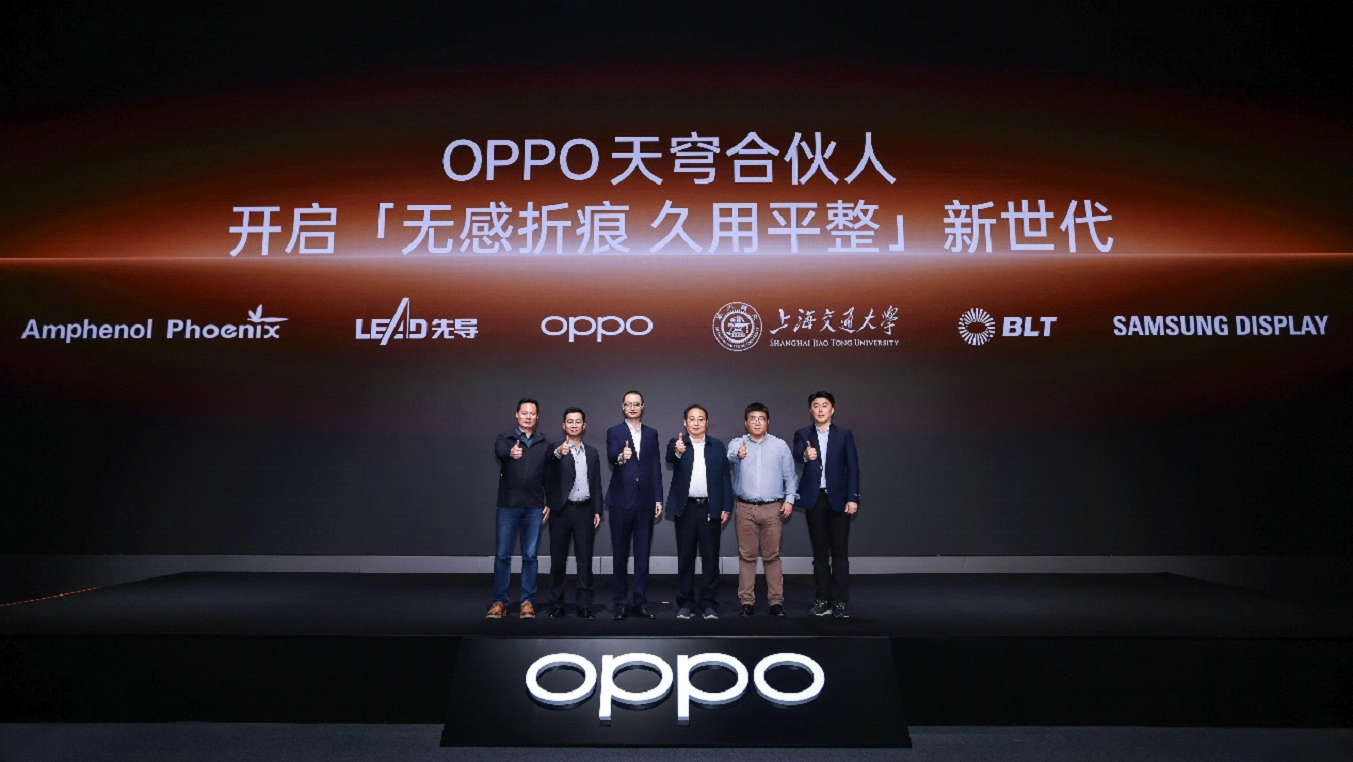
Building on BLT’s earlier work for the OPPO Find N5 hinge system, the project targeted one of the most stubborn technical problems: reducing visible creases without sacrificing hinge durability or user experience. At the center of this effort are the wing plates on both sides of the hinge, which bear the majority of folding stress.
基于BLT此前为OPPO Find N5铰链系统所做的工作,该项目瞄准了最棘手的技术问题之一:在不牺牲铰链耐用性或用户体验的前提下减少可见折痕。这项工作的核心是铰链两侧的翼板,它们承担了大部分折叠应力。
In earlier designs, these wing plates required up to 13 individual components that had to be machined and assembled with precision. For the Find N6, BLT used titanium 3D printing to consolidate those parts into a single lightweight structure. The resulting wing plate combines high strength, reduced weight, and intricate lattice geometries, enabling designs that are difficult or impossible to achieve with conventional CNC machining. This consolidation also simplified assembly and production.
在早期设计中,这些翼板需要多达13个独立组件,必须通过精密加工和组装完成。对于Find N6,BLT采用钛合金3D打印技术将这些部件整合为单个轻量化结构。最终制成的翼板兼具高强度、轻重量和复杂的晶格几何结构,实现了传统CNC加工难以甚至无法完成的设计。这种整合还简化了装配和生产流程。
“The supporting surface flatness of the OPPO Find N6 wing plate has improved by 50% compared to last year,” said Vincent Yang, General Manager at Bright Laser Technologies (Shenzhen) Co., Ltd. “Achieving this level of precision once seemed extremely difficult—even unattainable—but through continuous iteration and rigorous testing, our team was able to meet and even exceed expectations.”
“OPPO Find N6翼板的支撑面平整度相比去年提升了50%,”铂力特(深圳)有限公司总经理Vincent Yang表示,”实现这样的精度曾被认为极其困难,甚至无法企及,但通过持续迭代和严格测试,我们的团队不仅达到了预期,甚至超出了预期。”
Development of the device took place through Tianqiong Partners, an industrial alliance initiated by OPPO to bring together suppliers, research institutions, and other industry stakeholders. The alliance was created to address key technological challenges in foldable devices through joint development and knowledge sharing. OPPO said the Find N6 also uses its next-generation titanium Tianqiong hinge and Tianqiong memory glass.
该设备的开发通过天穹合作伙伴(Tianqiong Partners)完成,这是由OPPO发起的产业联盟,汇聚了供应商、研究机构及其他行业相关方。该联盟旨在通过联合开发和知识共享,解决折叠屏设备的关键技术挑战。OPPO表示,Find N6还采用了其下一代钛合金天穹铰链和天穹记忆玻璃。
“Achieving a crease-free and durable foldable display depends not only on advanced technologies such as the next-generation titanium Tianqiong hinge and Tianqiong memory glass, but also on the collective efforts of the engineers within the Tianqiong Partners ecosystem,” said Liu Chang, OPPO Vice President and President of Hardware Engineering. “The Find N6 represents a significant step forward in foldable display technology, as well as a meaningful improvement in user experience.”
“实现无折痕且耐用的折叠屏显示,不仅依赖于下一代钛合金天穹铰链和天穹记忆玻璃等先进技术,更离不开天穹合作伙伴生态系统中工程师们的共同努力,”OPPO副总裁兼硬件工程总裁刘畅表示,”Find N6代表了折叠屏显示技术的重大进步,也是用户体验的实质性提升。”
The Find N6 passed 600,000 folding cycles certified by TÜV Rheinland, demonstrating exceptional durability.
Find N6通过了TÜV莱茵60万次折叠循环认证,展现了卓越的耐用性。
BLT described its role as part of an end-to-end metal additive manufacturing process covering powder development, process optimization, component production, and post-processing. This manufacturing chain was used to produce a foldable smartphone hinge component with demanding requirements for strength, precision, weight, and manufacturability at an industrial scale.
BLT将其角色描述为端到端金属增材制造工艺的一部分,涵盖粉末开发、工艺优化、组件生产及后处理。这条制造链用于生产折叠屏智能手机铰链组件,该组件在强度、精度、重量和可制造性方面均需满足工业级严苛要求。
Apple’s recent use of additively manufactured parts in the iPhone Air and Apple Watch Series 11 shows how 3D printing is being applied to consumer electronics components shaped by tight design and material constraints. In the iPhone Air, Apple used 3D printing to produce the USB-C port, making the connector thinner and stronger while using 33% less material than conventional forging. Apple also introduced 3D printed titanium cases for the Apple Watch Series 11, consuming about 50% less raw material than the previous process.
苹果近期在iPhone Air和Apple Watch Series 11中采用增材制造部件,展示了3D打印如何应用于受严格设计和材料限制的消费电子组件。在iPhone Air中,苹果使用3D打印生产USB-C端口,使连接器更薄更强,同时比传统锻造工艺减少33%的材料用量。苹果还为Apple Watch Series 11引入了3D打印钛金属表壳,相比此前工艺节省约50%的原材料。
For creators and engineers inspired by these innovations, exploring premium STL files can open new possibilities for prototyping and custom parts. Whether you’re working on smartphone accessories or entirely different projects, 3D printing models offer the same design freedom that made the OPPO Find N6 hinge possible.
对于受这些创新启发的创客和工程师而言,探索优质STL文件可开启新的可能性。
Looking for high-quality STL files? Browse our collection at 3dmis.com!
Original source: View Original
🚀 开启你的下一个 3D 打印项目
想要高质量的 STL 文件?浏览我们丰富的优质 3D 模型库,从流行文化角色到桌游 mini,应有尽有——尽在 3dmis.com!
🚀 Start Your Next 3D Printing Project
Looking for high-quality STL files? Browse our vast collection of premium 3D models at 3dmis.com!
📌 编者按:本文改编自行业最新资讯。查看原文
